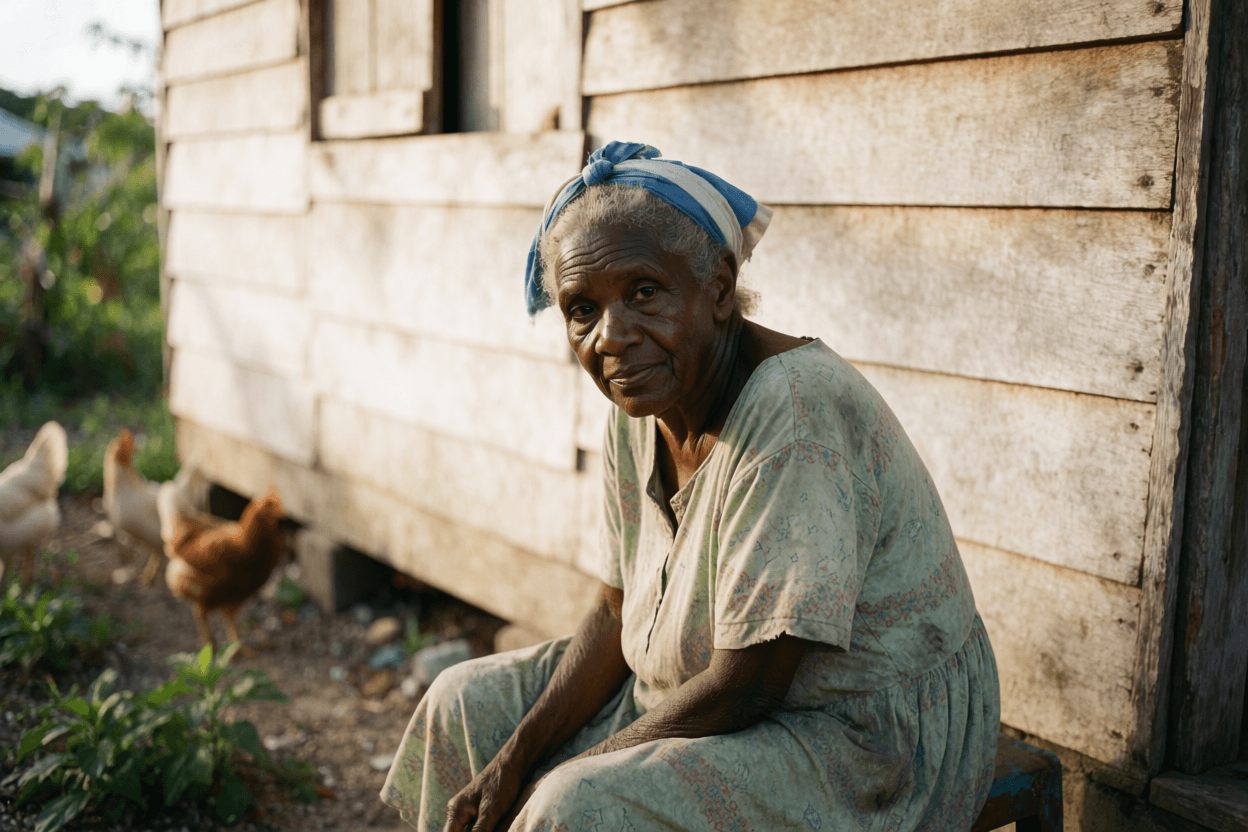
When Juncho was pressed to defend her preference for freedom against the visible deprivations of her present life, she did not reach for any abstraction of liberty or for the vocabulary of political principle, but turned instead to two episodes drawn from the body of her own child. Both belong to the period of her enslavement on McKinnon’s Estate, and both record the precise moment at which the disciplinary architecture of the sugar plantation crossed the threshold of maternal intimacy and asserted itself over the very functions — the nursing of a sick child, the protection of a beaten one — by which she most fundamentally understood herself to be a mother.
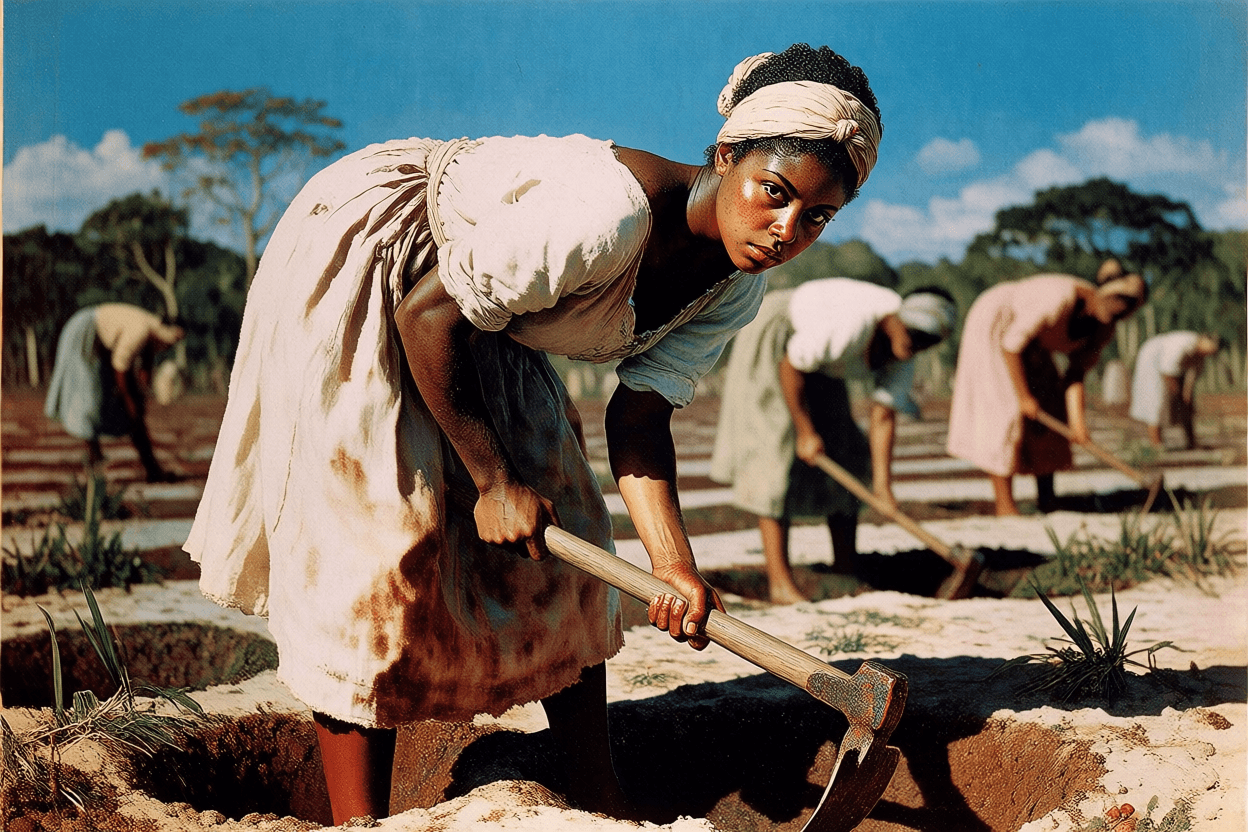
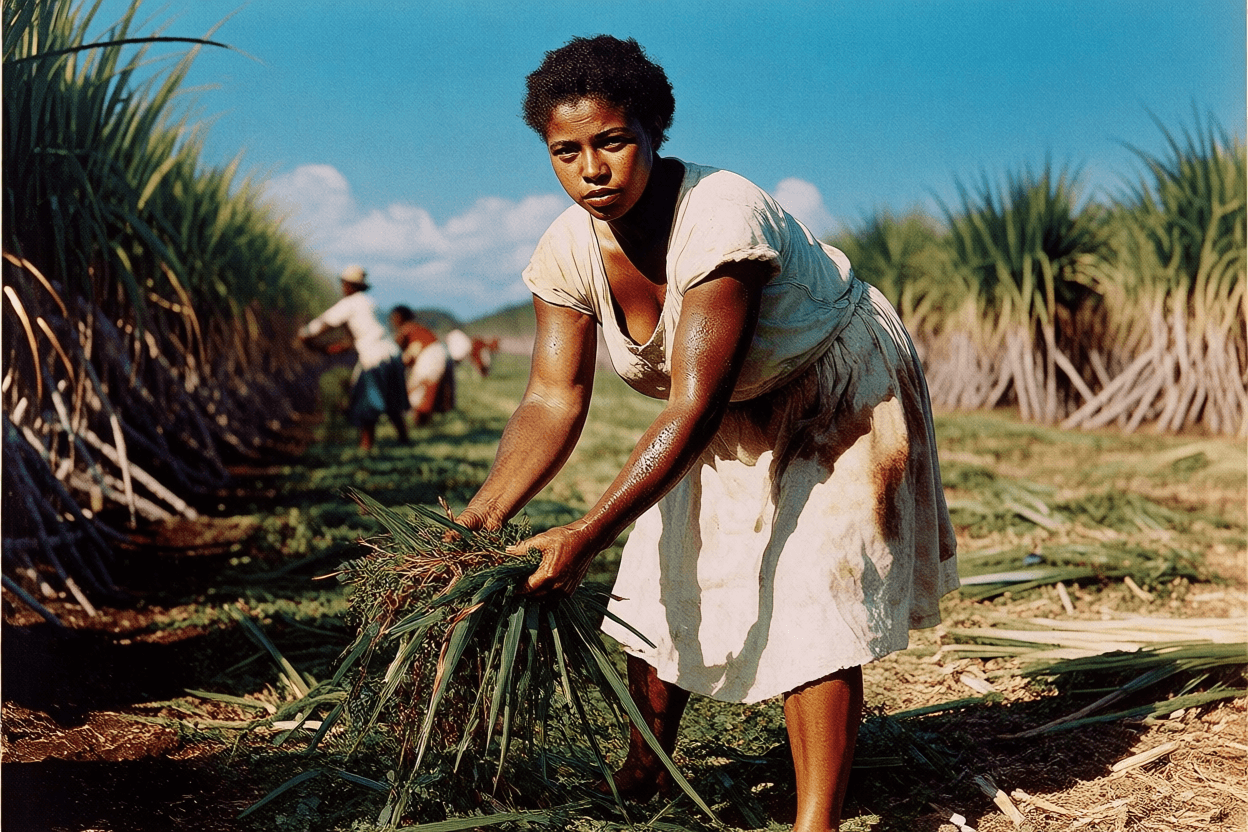
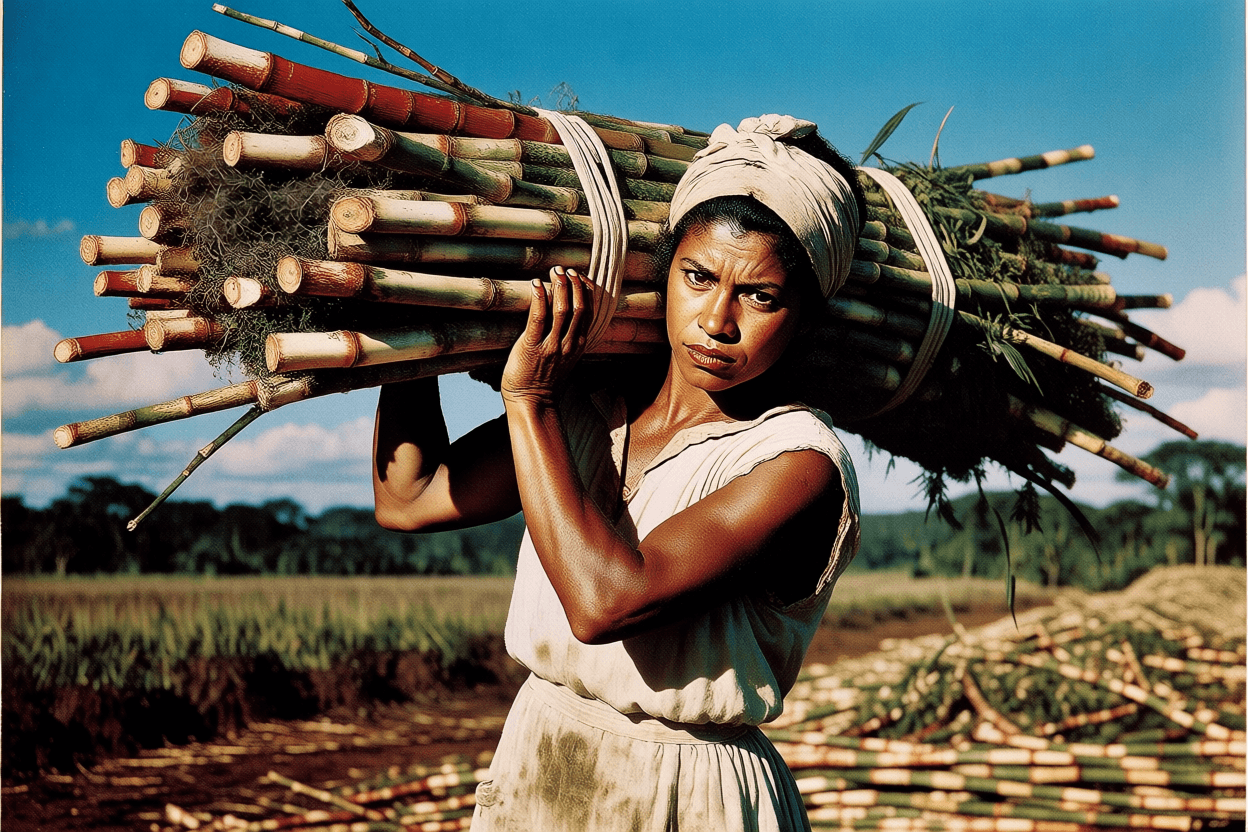
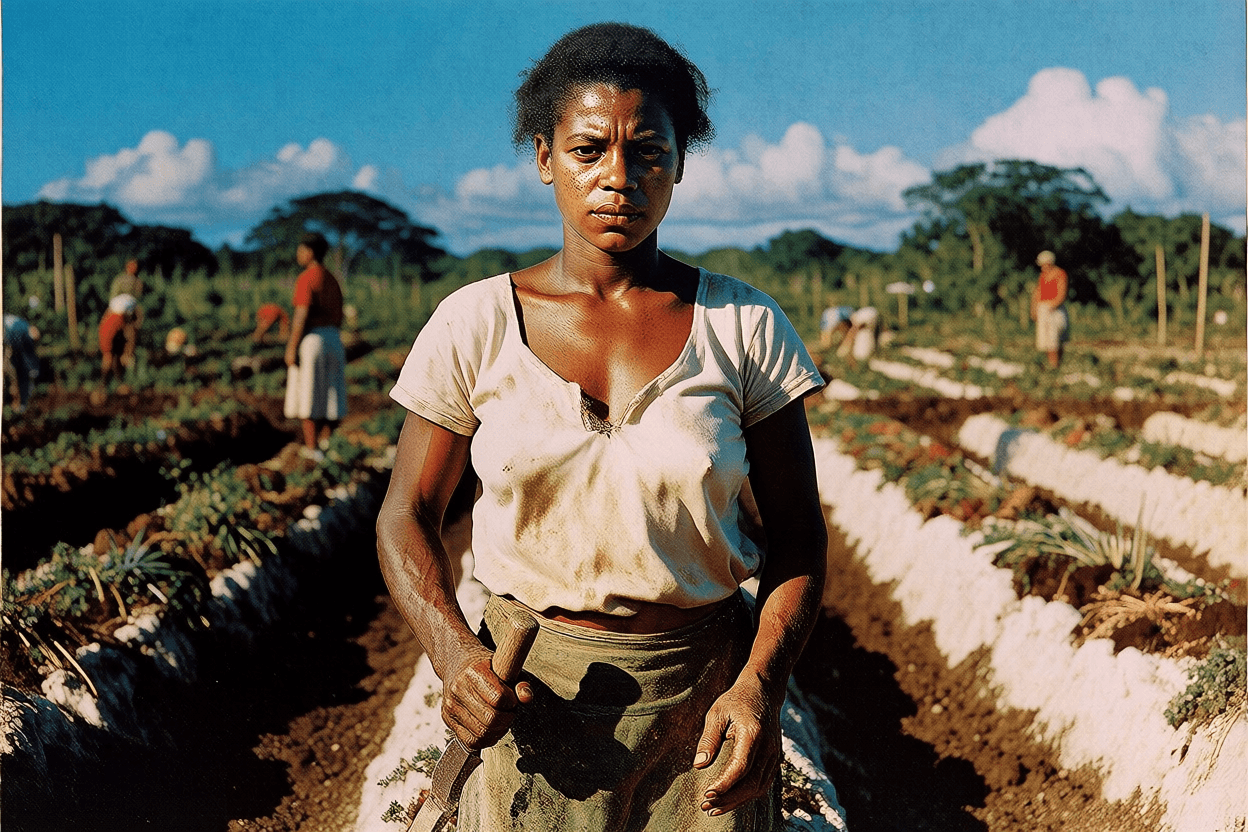
In the first of these episodes, her child had fallen ill and been removed to the sick house while Juncho herself was held in the cane for the entirety of the workday, since the hours of her child’s illness and the hours of her labour were not, in the logic of the estate, permitted to compete with one another, cultivation possessing an absolute claim upon her body that no degree of maternal urgency could displace. She could only wait — through the long heat of the morning, the slower exhaustion of the afternoon, perhaps into the failing light of evening — before she was at last released to cross the distance from the field to the room in which her child lay, where the time she was granted proved brief and where her child, sensing its brevity, pleaded with her to remain: “Mammy, ’top wid me, no go, mammy.” She was unable to grant the request, and the cruelty of the moment lay not in any geographical separation, for she was close enough to enter the room, to hear the small voice, and to register the fear it carried, but rather in the temporal sovereignty exercised by the estate over her hours, a sovereignty that suspended even the most elementary obligations of care and refused her the right to remain at the bedside of her own sick child.
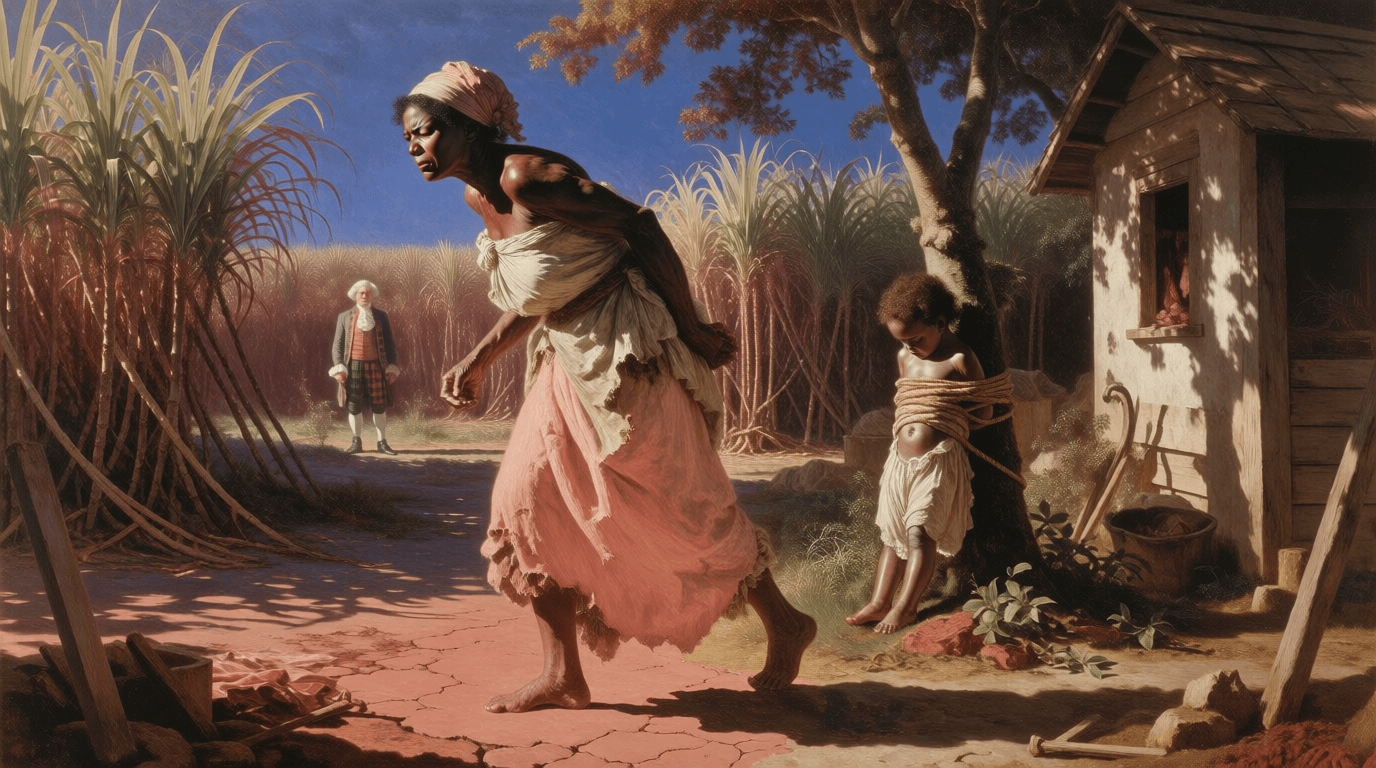
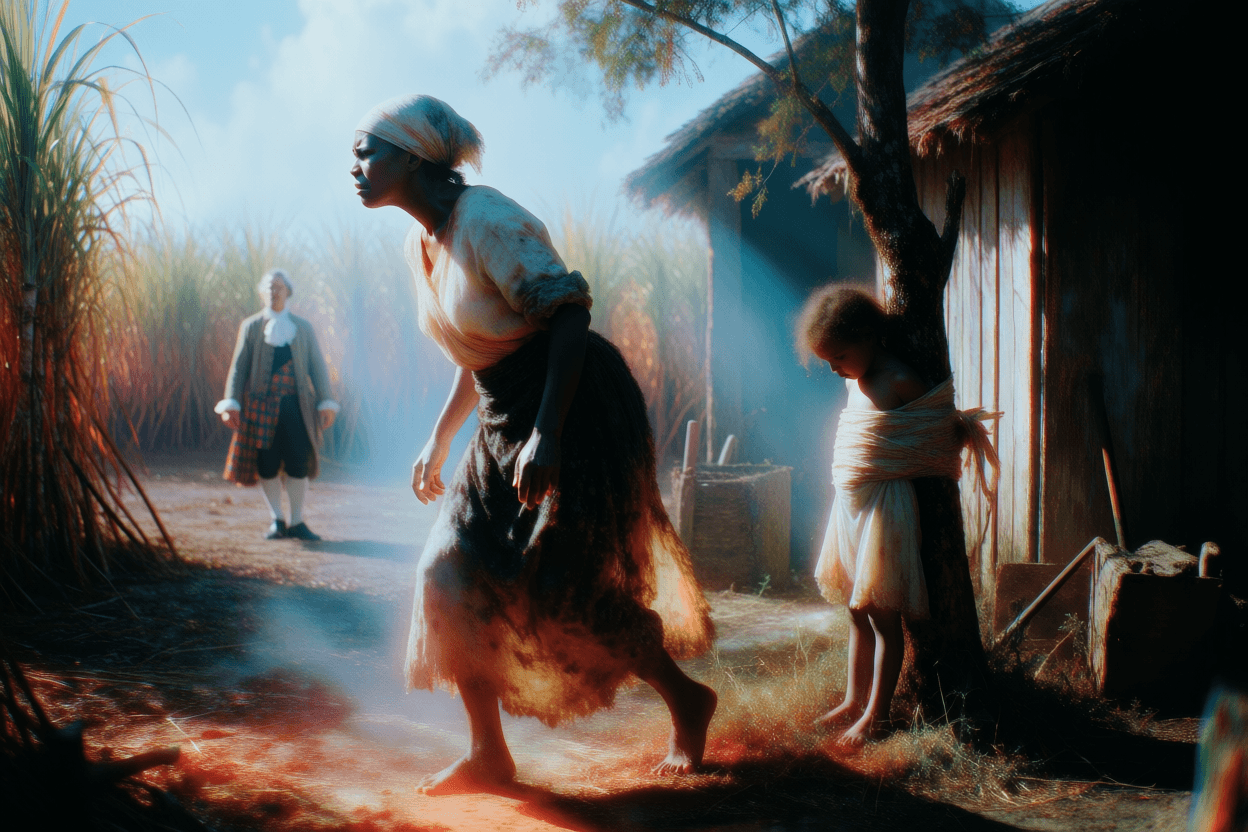
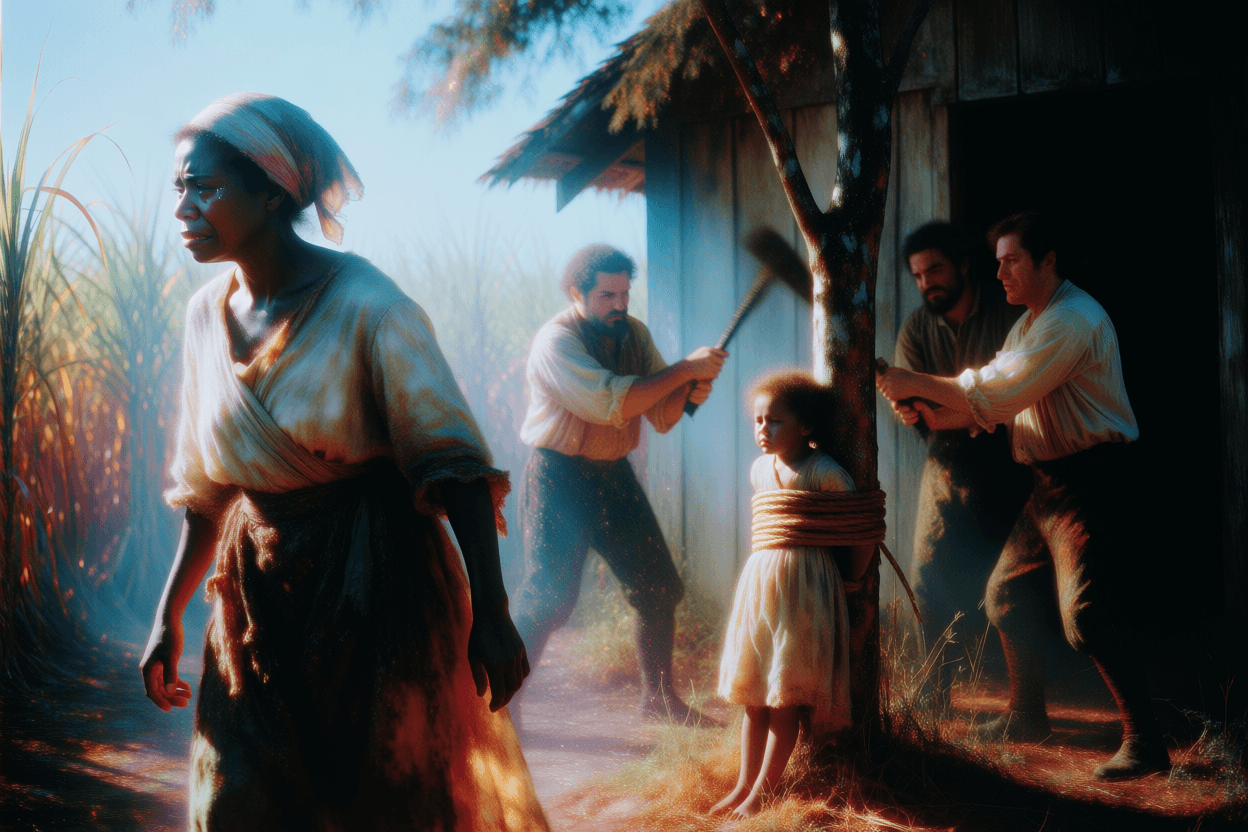
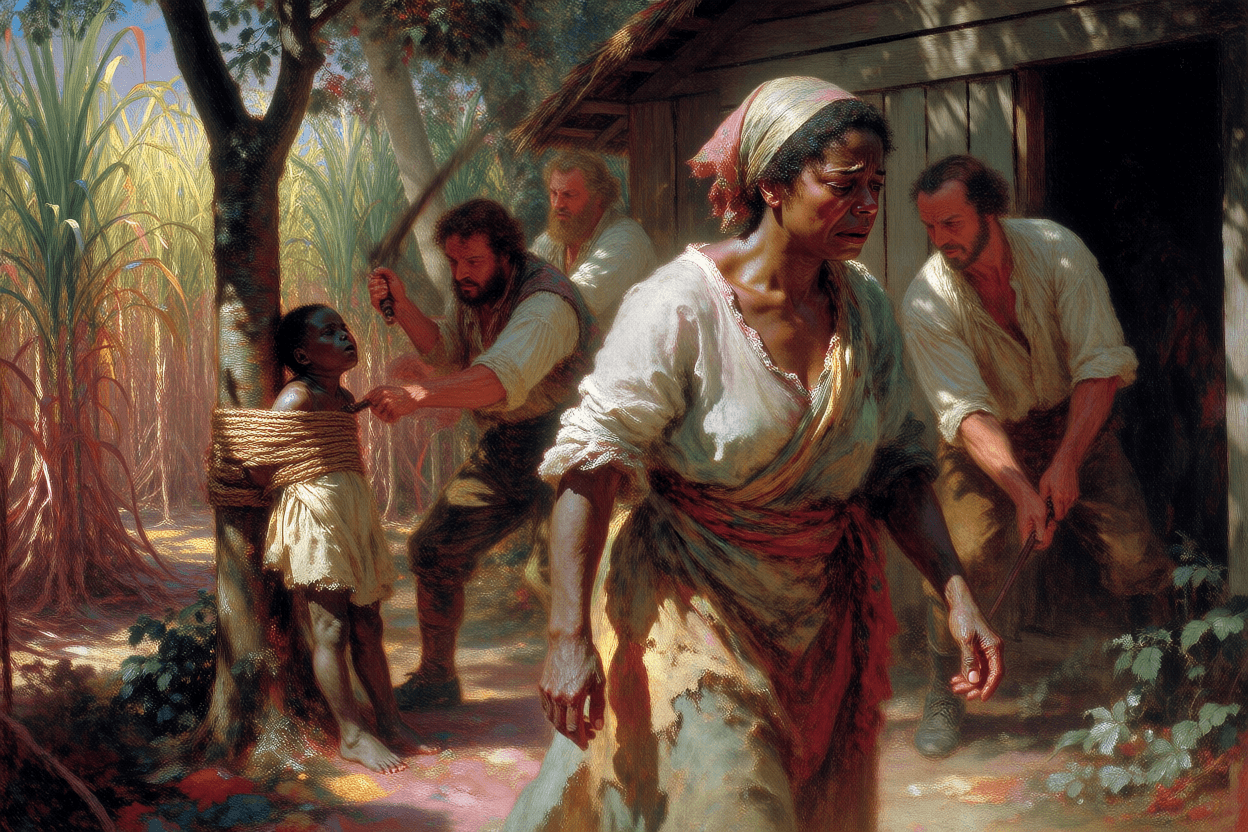
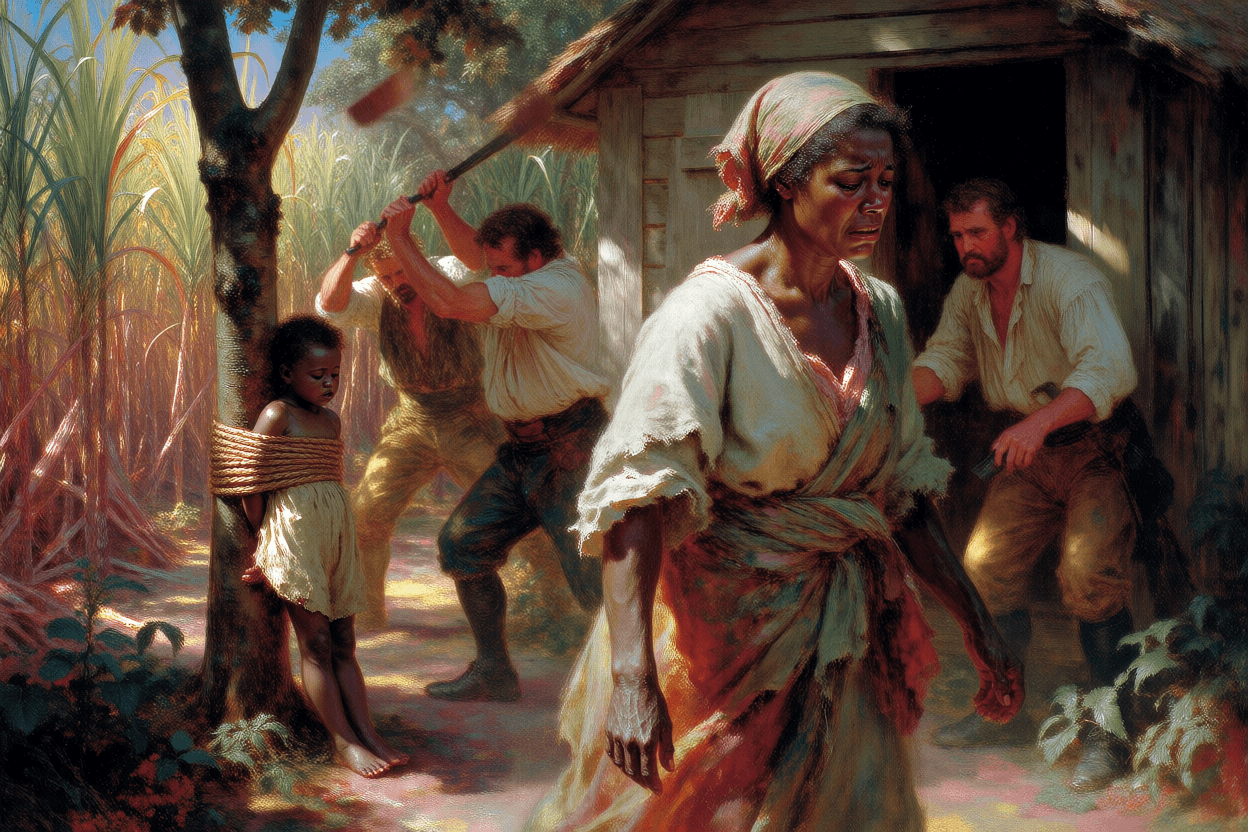
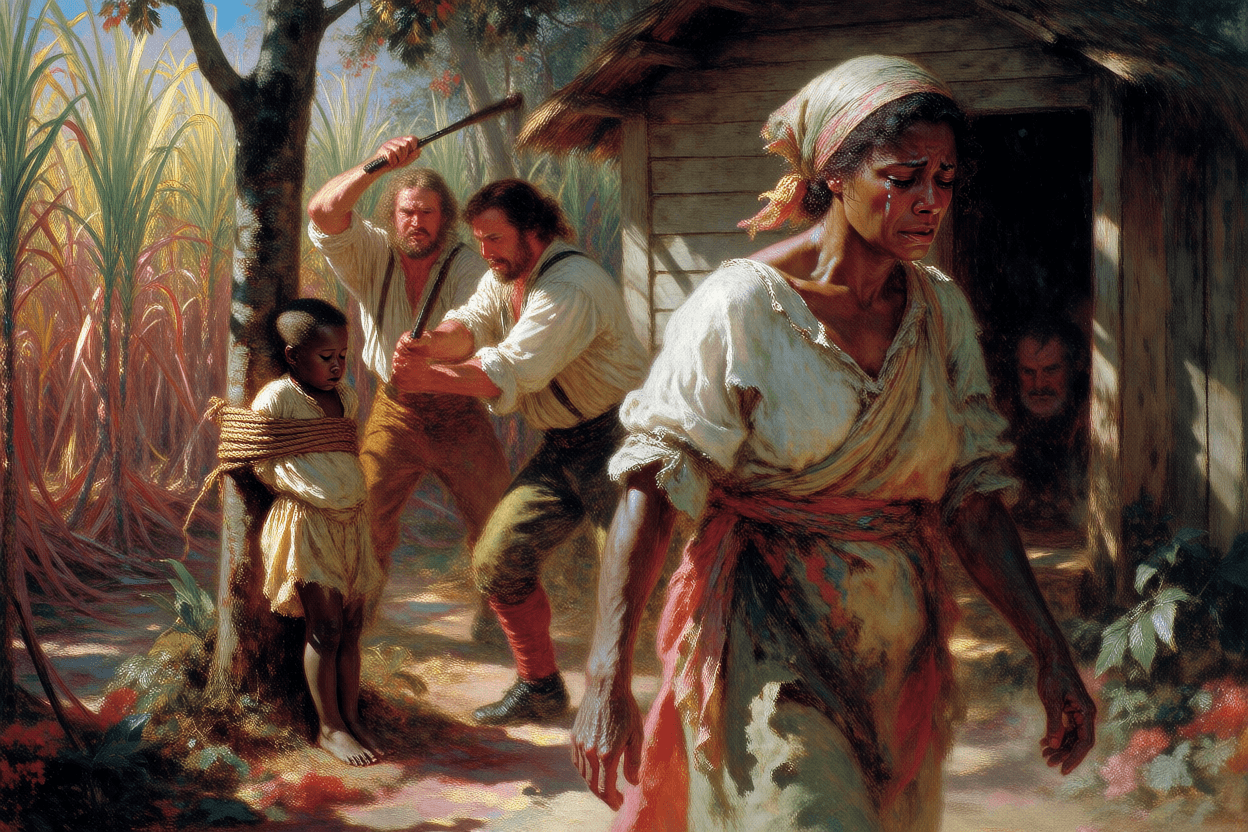
The second episode is, if anything, more terrible, for it concerns not absence but enforced presence: Juncho was made to stand and to watch while her child was beaten. The occasion was a small infraction, an act the master had construed as a transgression of plantation order, and the punishment was elaborated through a sequence of bodily preparations that Juncho recalled with the steady clarity of one who had seen them performed. The child could be tied to a tree, his hands drawn upward and bound at the wrists so that his back hung exposed to the open air, or he could be stretched flat upon the ground while two men pressed his shoulders and his legs into the earth so that the lash, when it fell, would meet a body held wholly without recourse. The master ordered the punishment, the men supplied the restraint, and the driver wielded the whip; these were not three discrete acts of cruelty but a single coordinated procedure of plantation discipline, executed upon the body of a child whose mother had been compelled to attend its administration.
She wept throughout the beating, and her child cried out beneath each blow, and within Juncho herself the words of intercession formed themselves with full clarity — “Don’t do so, massa; let him go” — and yet she did not dare release them into the air, for to speak on her child’s behalf would have been to invite the whip upon her own back, and so her silence was extracted from her in the same coercive register as her labour and was preserved through the same continuing threat of further violence. When at last the punishment was finished, no consolation was permitted her, since she could neither lift her child from the ground on which he had been broken nor remain at his side while he recovered, but was required, like a worker dismissed from a task, to turn away and to leave him in the place where the discipline had been carried out.
Lightfoot treats these two episodes together as a single indictment of the institution and as among the most harrowing of those that Juncho endured under bondage, since in the first a mother was prevented from nursing her sick child back to health because the demands of cane cultivation upon her body would not be deferred for the time the work of recovery required, while in the second that same mother was compelled to witness the violent punishment of that same child, possessing no recognized capacity to halt the beating, to shelter the wounded body afterwards, or even to remain at his side once the estate had finished with him. Read in sequence, the two episodes describe a regime in which maternal authority was not merely curtailed at its edges but systematically extinguished at its centre, the field and the sick house and the whipping post bound together as continuous extensions of a single apparatus of control into which the body of the child and the love of the mother were equally and simultaneously absorbed.
What is most chilling in the testimony is the unembellished plainness of its evidentiary structure, for Juncho relates these events without rhetorical elaboration and the archive that preserves them is correspondingly austere, recording no name for the child, no age at which the illness or the whipping occurred, no date upon which either event might be fixed within the wider chronology of the estate, and no description of the wounds the lash left upon his back when it had finished with him. What survives, in place of these particulars, is the architecture of the experience itself — illness administered by the estate, labour enforced over care, punishment carried out upon the body of a child, and a mother held within the same apparatus of authority by which her child was first taken from her and then returned to her wounded — and it is precisely in this austerity, in this refusal of the sentimental detail by which other narratives might soften their own horror, that Juncho’s account acquires its enduring weight as a document of what slavery, in its ordinary and routine operation, actually was.